2022
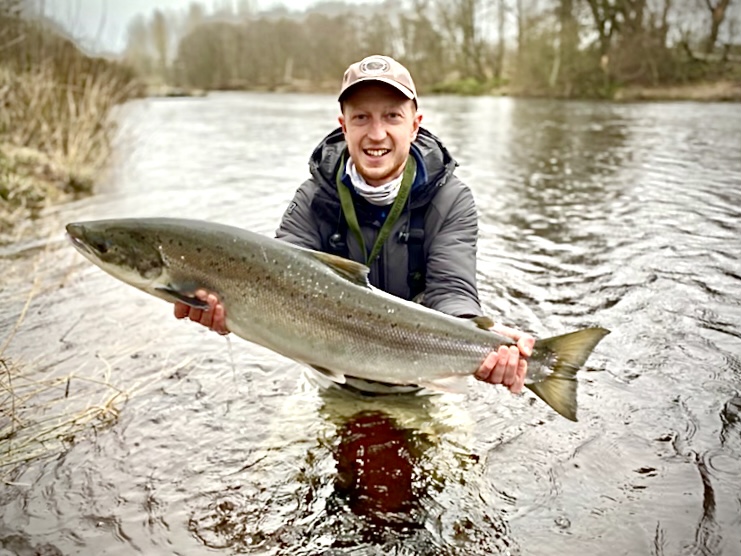
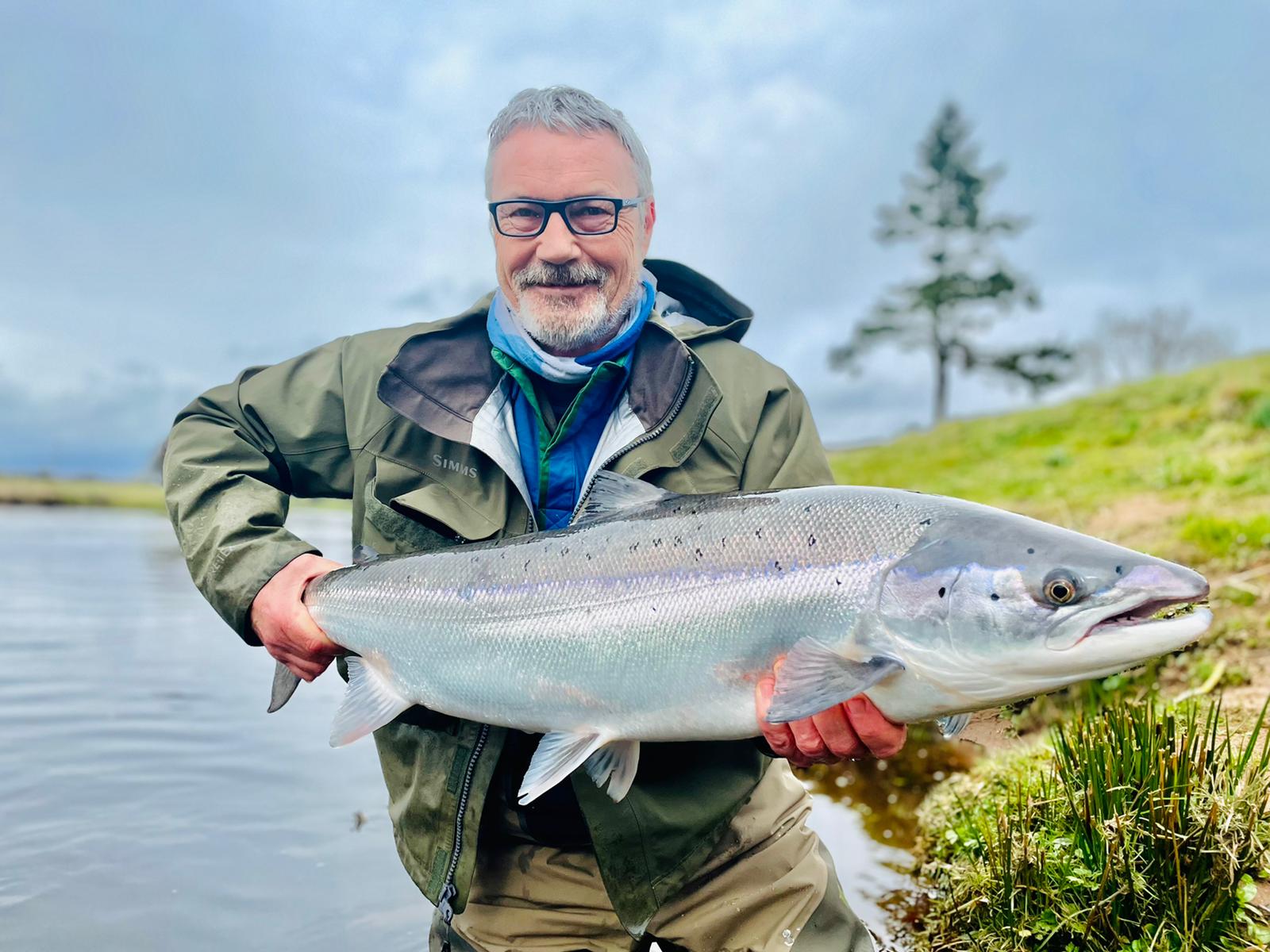
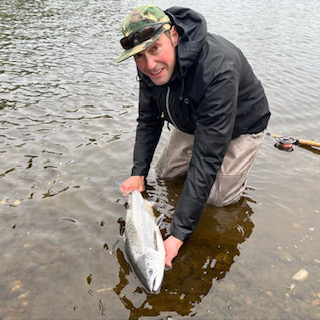
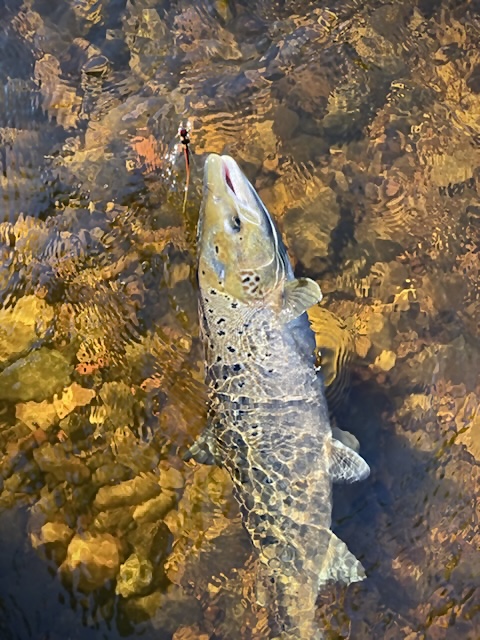
The season had a soggy start with the both the North and South Esk almost unfishable on the first day, unsurprisingly nothing was caught. Once the catches commenced Canterland pipped Balmakewan to the first fish off the North Esk by a mere three minutes. As the season continued the spring fishing proved pretty steady with some good sizeable fish being caught on the North Esk. The South Esk had their first spring fish at the beginning of April at Kinnaird and Inshewan. One such fish was a springer caught by John Mitchell at Inshewan in April tipping the scales at about 29lbs which has been entered in for the Malloch Trophy. March stayed pretty settled on both rivers and by the end of the month and into April rain was getting thin on the ground which is not unusual as April can often be a dry month in the East of Scotland. This, combined with the wind coming from the East it was still fairly cool, this made fishing tricky.
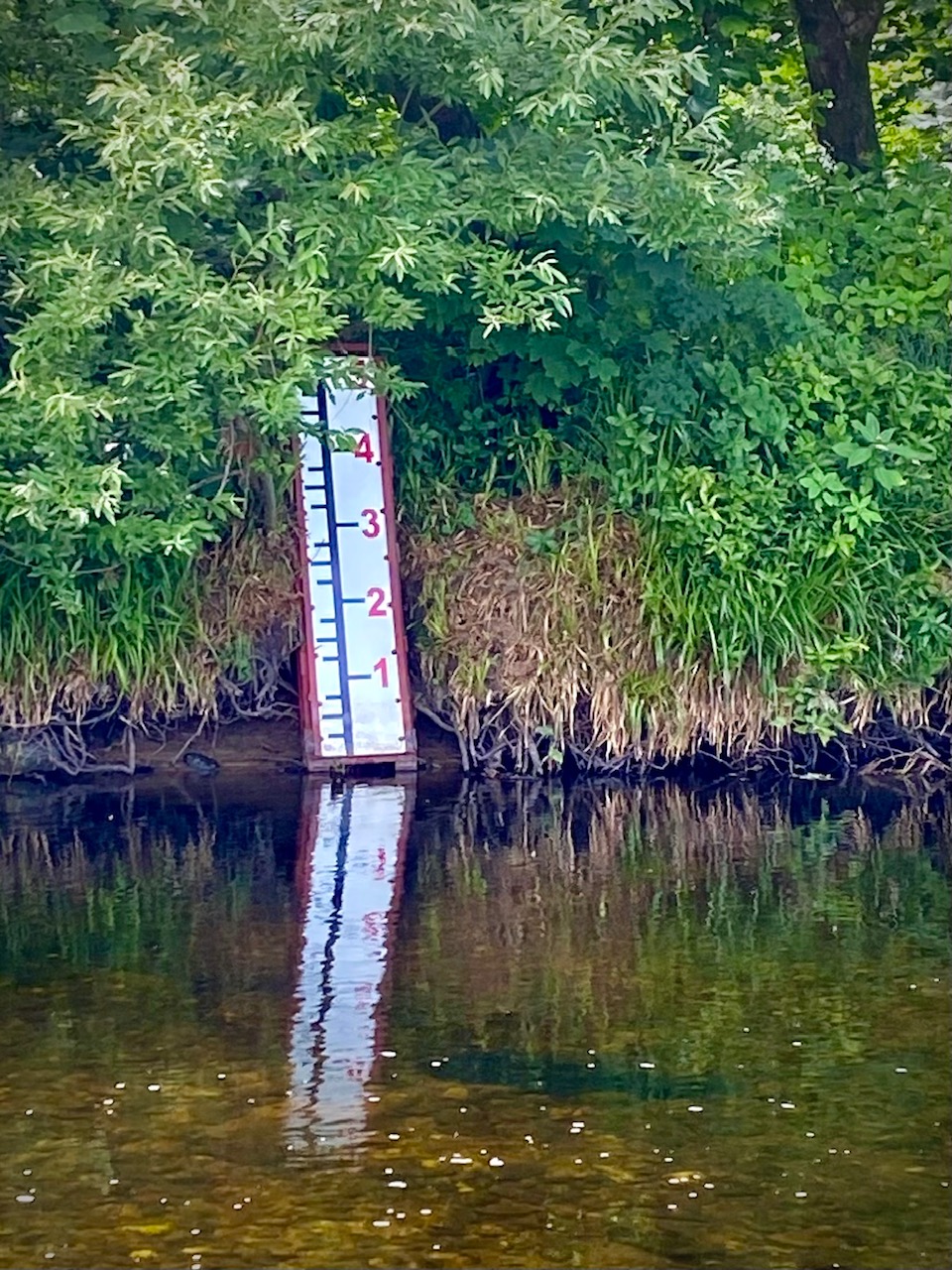
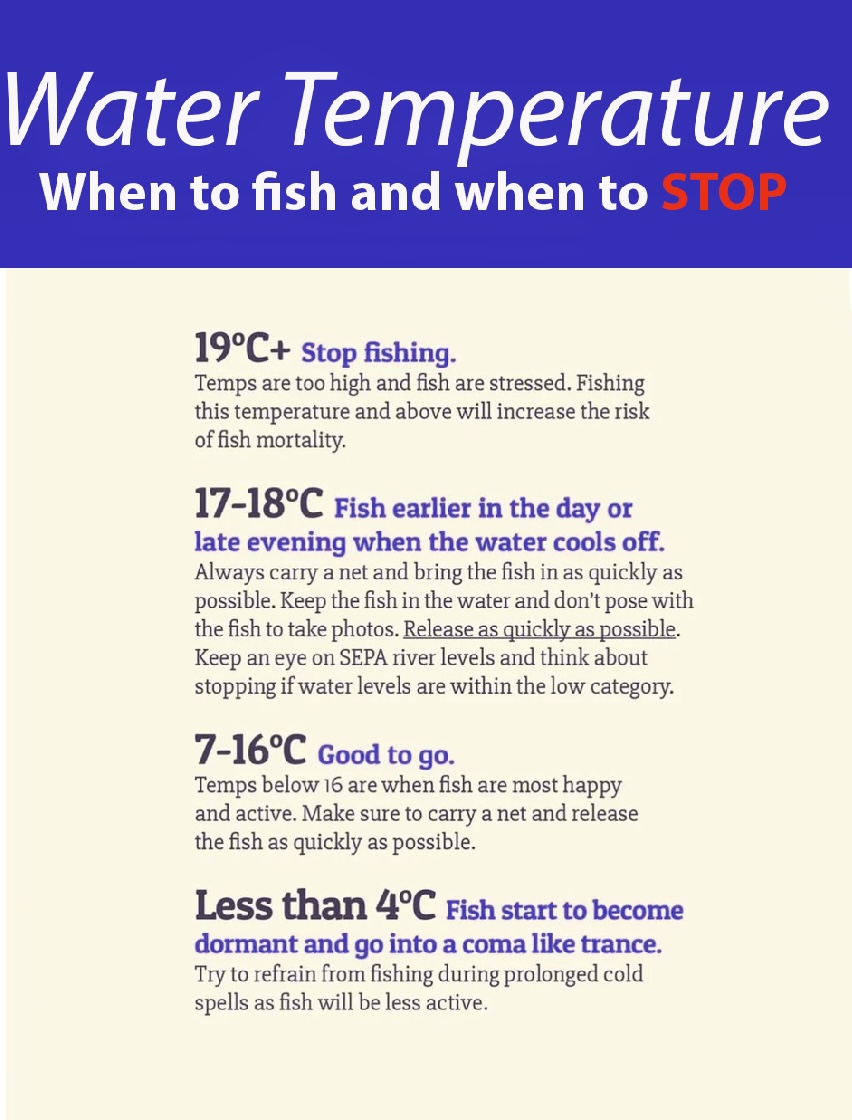
From the end of March and into the beginning of April the rivers were a little low, everyone hoped rain was around the corner, however both the North and South Esk had some pretty testing weeks. There were a few showers here and there, but frustratingly not enough to make a big difference. Unfortunately this was the beginning of a long dry spring and summer, great for being out and about, not so good for fishing! As time wore on, still no rain.
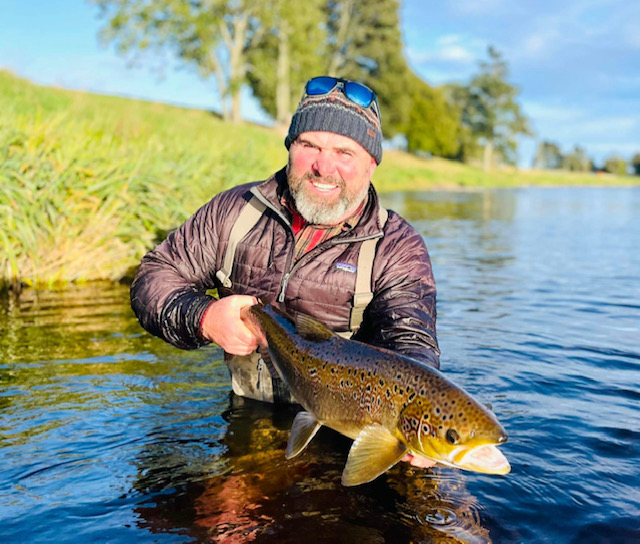
In June the weather warmed up and the days lengthened, providing perfect sea trout conditions. These wonderful fish managed to enter the rivers despite the low water and saved many of the beats from an otherwise pretty hard time. With the weather being warm and water levels on the low side many anglers did not fish during the day biding their time until the sun was off the water in the evening. Stracathro had its record June for sea trout with rods catching some very impressive numbers during their evenings fishing. The South Esk, which is well known for sea trout, also had impressive numbers recorded, the fish were there and in very good numbers, this can be confirmed by the MK1 eyeball with very particularly good numbers being seen at Inshewan. Inshewan has a number of deep holding pools which really do come into their own in low water.
I think most of us will agree that the grilse run was poor, one that will be remembered, not for the numbers but more the lack of, due to little or no rain. The reason as to why, who knows but the debate will go on for a while yet along the river banks. When the grilse did turn up, they tended to be on the small side, the sea trout on the other hand tended to be larger with an 11lber coming off the North Esk at Pert.
As to why there were so many sea trout last year, well, it could have been that more anglers were fishing in the cooler evenings or as a result of the nets being removed, or could it be that over the past number of years there have been a growing number of off shore windfarms popping up on our coasts? For obvious reasons there is no fishing permitted in or around the windfarms so this has given the sea trout a larder, and a safe haven to grow and feed, a marine sanctuary?
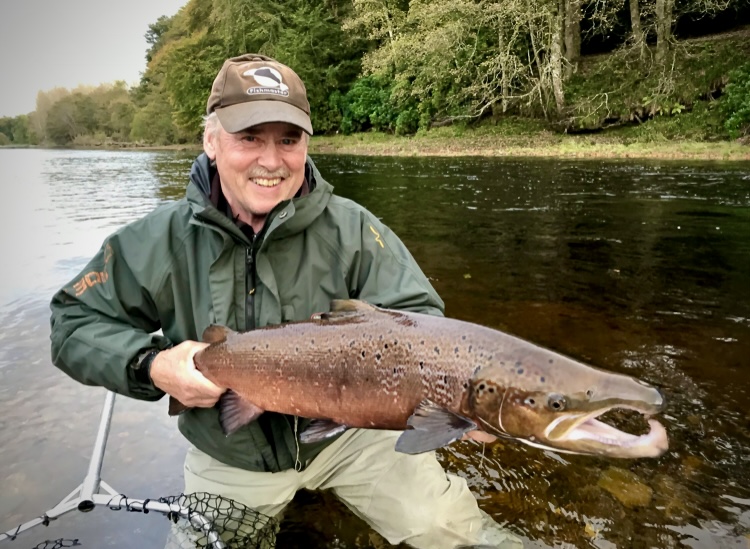
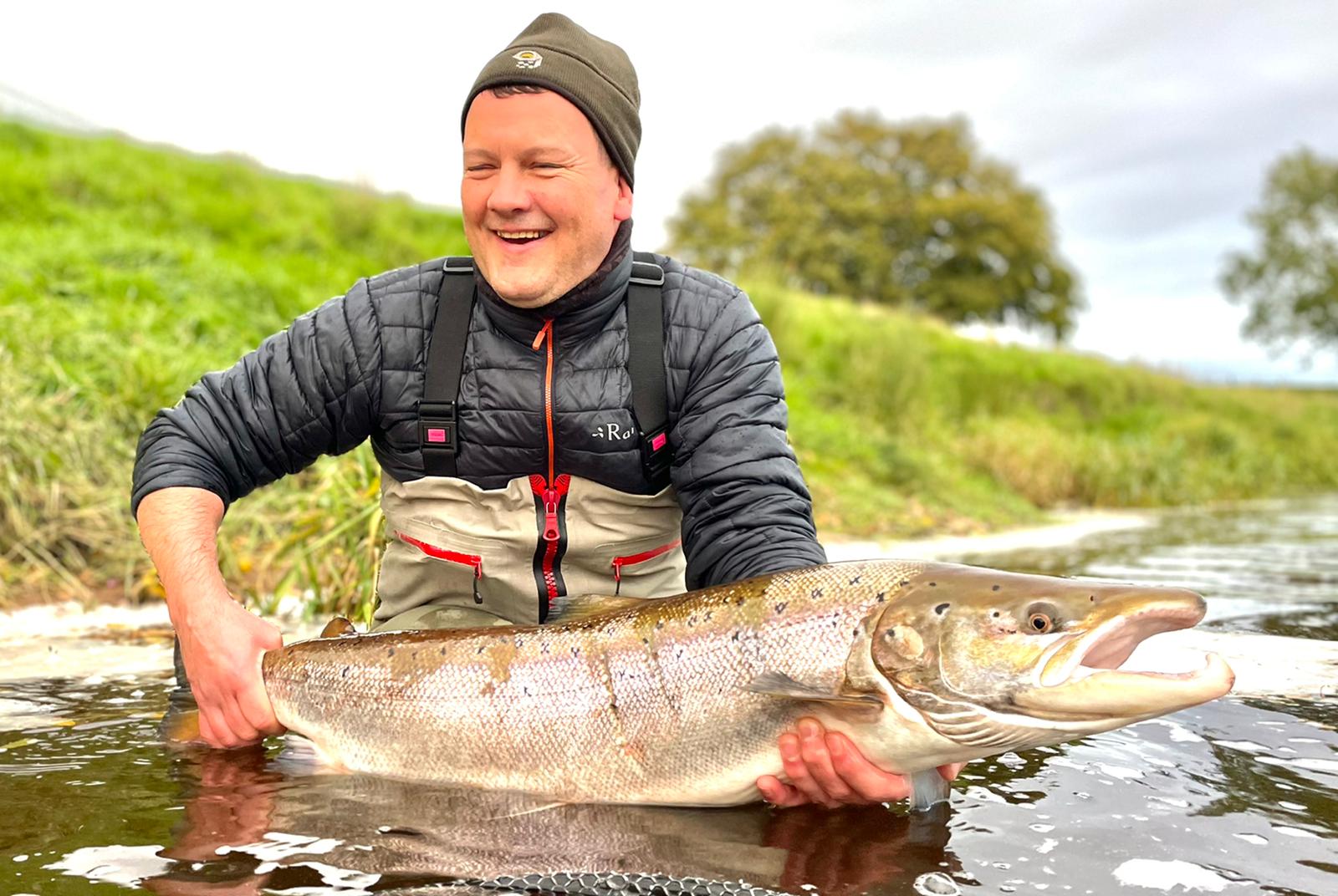
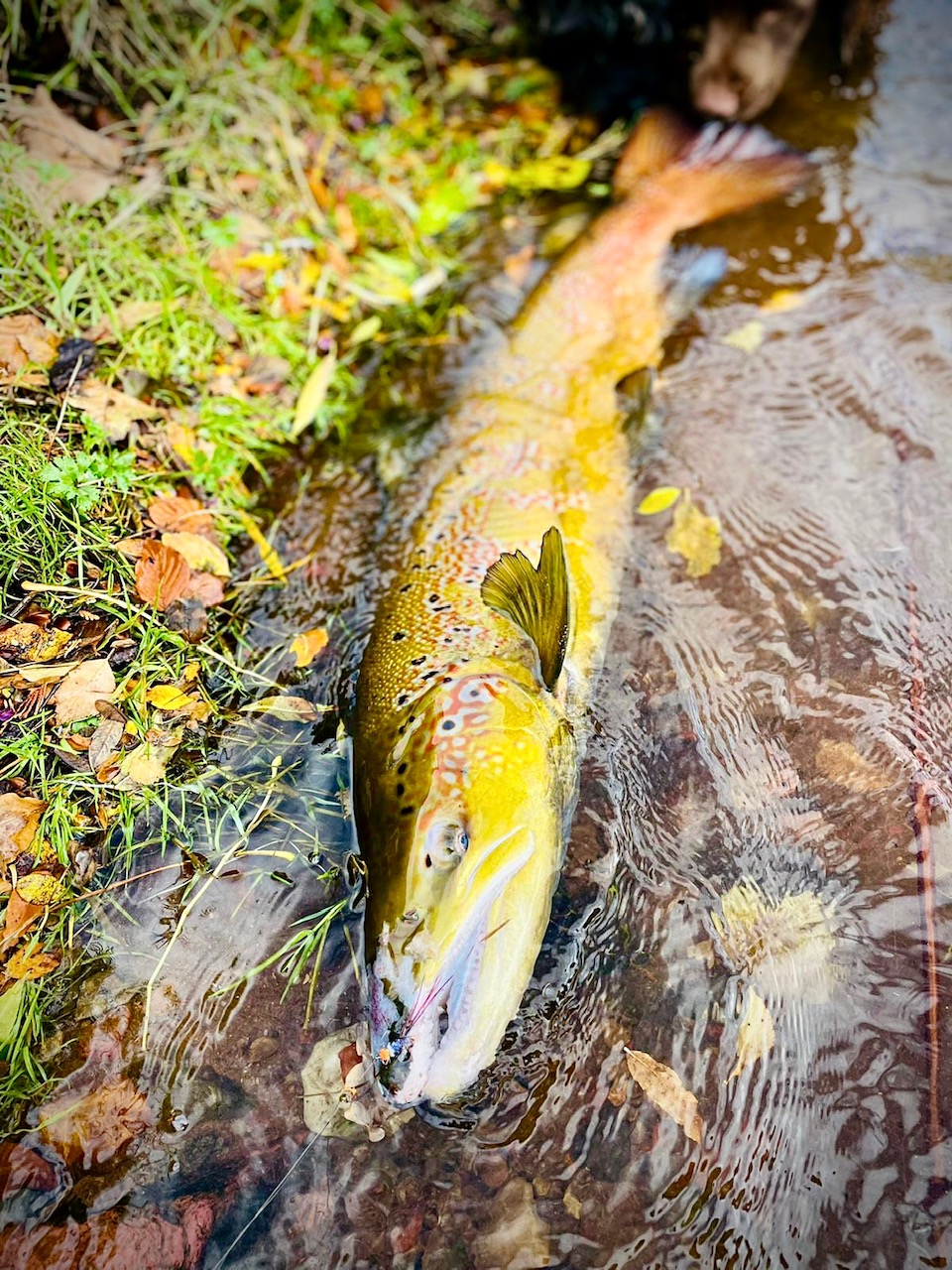
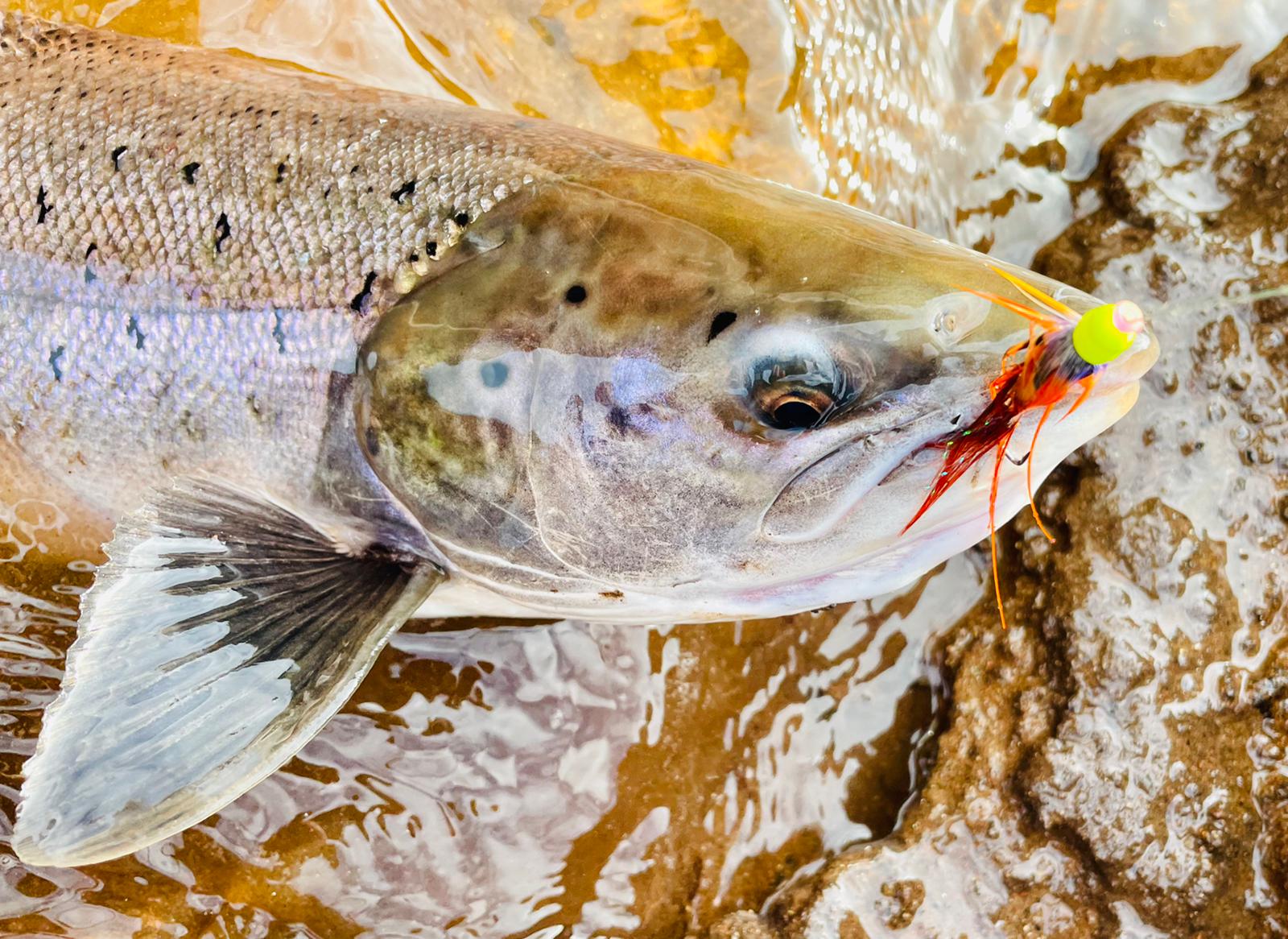
The autumn or backend fishing started to see a few more fish showing up and there were some big boys about. A 30lber from Pert on the North Esk which has been entered in to the Malloch Trophy, an award for the largest fly caught salmon for that season in Scotland. Fingers crossed as neither the North or South Esk have ever won before. The rivers never really settled into a steady flow during the autumn run, so this made fishing tricky and you had to grab the opportunity when you could.
Not long now until the 16th February when the new season starts. The opening day this year will be held by kind permission of Symon Jacobsen at Balmakewan on the North Esk, I will let you know the details nearer the time.
Happy New Year to you all, thank you for your photos and inputs they make the reports more colourful (read interesting!). Hopefully see you on the river.
Tight Lines for 2023.
Ali